Bring Your Home to Life: The Ultimate Guide to Indoor Plants
471 Views
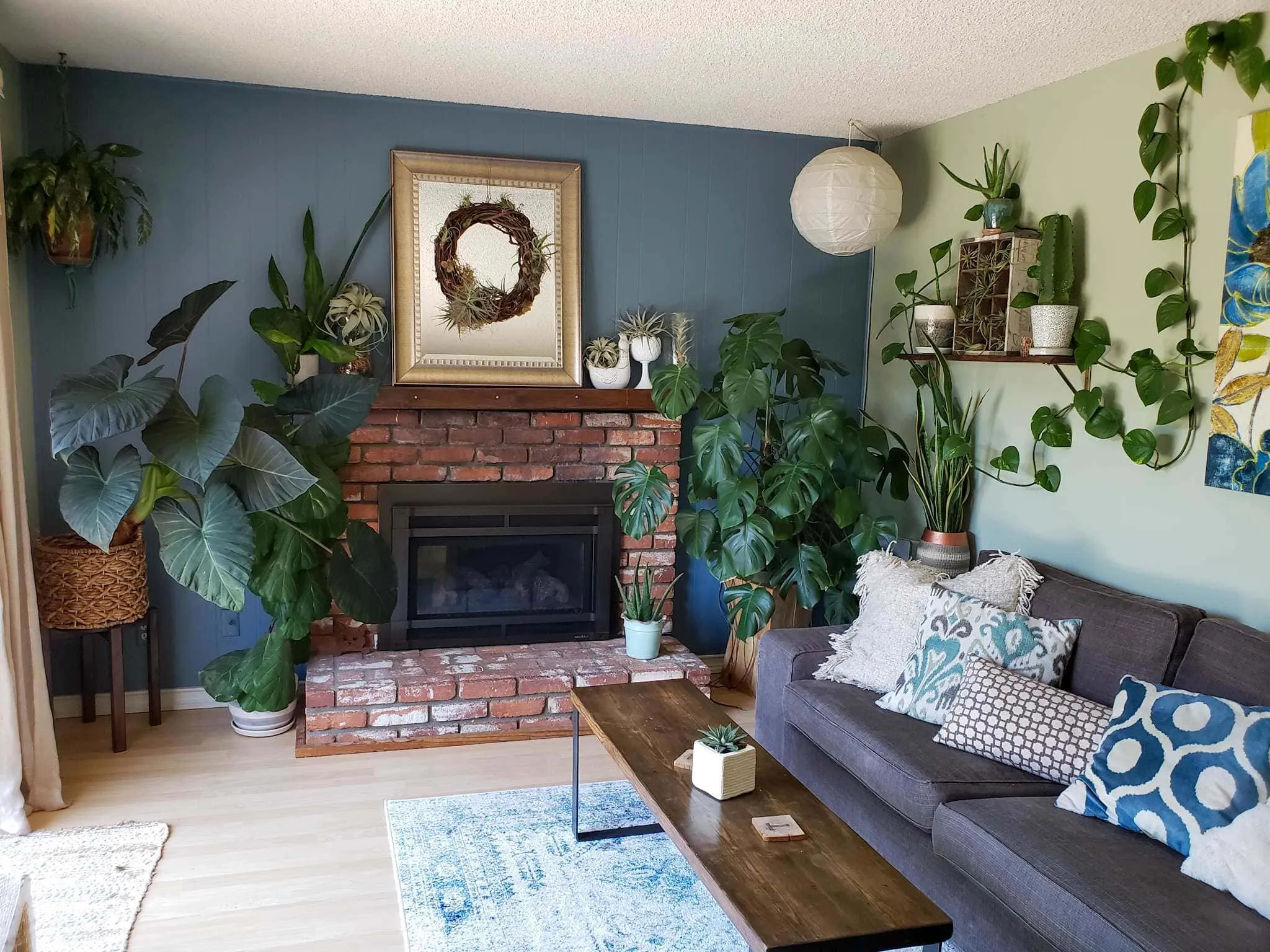
In recent years, houseplants have exploded in popularity and for good reason. Beyond their obvious beauty, indoor plants purify the air, reduce stress, and boost creativity. Whether you live in a sprawling house or a tiny apartment, adding greenery transforms any space into a calming retreat. This guide explores the best plants for beginners, essential care tips, and how to curate your own indoor jungle.
Benefits of Having Plants at Home
Studies from NASA and universities worldwide confirm that houseplants remove common toxins like formaldehyde, benzene, and trichloroethylene from indoor air. They also increase humidity, which helps prevent dry skin, sore throats, and colds. On a mental level, caring for plants reduces anxiety and improves focus. Even just looking at greenery can lower blood pressure and promote feelings of well-being.
Top 5 Low-Maintenance Houseplants
Not everyone has a green thumb. Luckily, several resilient species thrive on neglect:
- Snake Plant (Sansevieria) – Tolerates low light and irregular watering. It also releases oxygen at night, making it perfect for bedrooms.
- Pothos (Epipremnum aureum) – A trailing vine that grows in almost any condition. Water when the soil feels dry.
- ZZ Plant (Zamioculcas zamiifolia) – Nearly impossible to kill. It stores water in its rhizomes, so forgetful owners are safe.
- Spider Plant (Chlorophytum comosum) – Produces “babies” that you can propagate. Thrives in bright, indirect light.
- Peace Lily (Spathiphyllum) – Droops dramatically when thirsty, then perks up after watering. Lovely white blooms appear in spring.
Essential Care Tips for Thriving Plants
Light – Most houseplants prefer bright, indirect sunlight. South or east-facing windows are ideal. Low-light plants like snake plants can survive further from windows, but growth slows.
Watering – Overwatering is the number one killer. Always check the top inch of soil if dry, water thoroughly. If damp, wait. Use room-temperature water and ensure pots have drainage holes.
Humidity – Tropical plants (ferns, calatheas, monsteras) love misting or a nearby humidifier. Grouping plants together also raises local humidity.
Soil & Fertilizer – Use a quality potting mix for indoor plants. Feed with a balanced liquid fertilizer every 4-6 weeks during spring and summer. Pause feeding in winter when growth naturally slows.
Styling Your Space with Greenery
Mix plant sizes and textures for visual interest. Place tall floor plants (fiddle-leaf figs, rubber trees) in corners. Use hanging planters for trailing pothos or string of pearls. Group small succulents on coffee tables or shelves. For a truly cohesive look that blends aesthetics with horticulture, explore Plant Style Home a fantastic resource for design inspiration and plant care guides. Check out Plant Style Home here to discover curated collections and expert advice tailored to every room.
Common Mistakes to Avoid
- Ignoring drainage – Pots without holes lead to root rot. Always use a liner or drill holes.
- Placing plants near drafts – Heat vents, air conditioners, and cold windows stress plants.
- Forgetting to clean leaves – Dust blocks sunlight. Wipe leaves gently with a damp cloth monthly.
Conclusion
Bringing plants into your home is one of the easiest ways to improve your environment and mood. Start with hardy varieties like snake plants or pothos, learn their basic needs, and gradually expand your collection. With a little patience and the right guidance, anyone can cultivate a thriving indoor garden that brings joy year-round.
Related Reading
Why Home Improvement is Transforming the Global Industry Landscape
Welcome to our in-depth exploration of Home Improvement. In an era defined by ra...
Why Home Improvement is Transforming the Global Industry Landscape
Welcome to our in-depth exploration of Home Improvement. In an era defined by ra...